If you love cooking, you know that the right tools can make or break your experience in the kitchen. But with so many gadgets and gear vying for space on your countertop and in your drawers, it’s easy to feel overwhelmed. This guide cuts through the noise and highlights kitchen essentials—starting with one of the most foundational pairs in food prep: cutting boards and prep tools.
In this article, you’ll learn why high‑quality boards and prep tools matter, how to choose them, and specific tips to elevate your day‑to‑day cooking. Whether you’re dicing onions for dinner or prepping for a weekend feast, this comprehensive guide will help you work smarter, not harder.
Why Cutting Boards & Prep Tools Are Kitchen Essentials
From juicing citrus to mincing garlic, prep tools shape your cooking workflow. And cutting boards? They’re not just surfaces—they’re the foundation of safe, efficient food prep.
1. The Heart of Prep: Choosing the Right Cutting Board
Not all cutting boards are created equal. Here’s what to consider:
Material Matters
- Wood boards (like maple or walnut) are gentle on knives and great for everyday use. Their natural fibers also have mild antibacterial properties.
- Plastic boards are dishwasher‑safe and ideal when preparing raw meat to reduce cross‑contamination.
- Bamboo boards are eco‑friendly and durable, though slightly harder on knives than traditional wood.
Size & Stability
Choose a board that fits your countertop and allows room to work. A good rule of thumb: the board should be at least as long as your longest knife.
Place a damp kitchen towel underneath to prevent slipping—especially when chopping ingredients quickly.
Maintenance Tips
- Hand‑wash wooden boards with mild soap.
- Oil them regularly with food‑grade mineral oil to prevent cracking.
- Replace plastic boards once they develop deep grooves where bacteria can hide.
2. Prep Tools That Transform Everyday Cooking
Great prep tools save time, reduce mess, and encourage creativity in the kitchen. Here are the must‑have categories:
Essential Knife Set
A chef’s knife, paring knife, and serrated bread knife are the core set for most cooks. Investing in quality blades means cleaner cuts and less wrist fatigue. Keep knives sharp—dull blades are more dangerous than sharp ones because they slip.
Handy Helpers for Precision
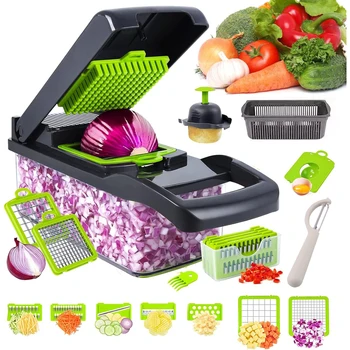
- Mandoline slicer: For uniformly thin slices of vegetables and fruits.
- Garlic press: Saves time and minimizes odors on your fingers.
- Zester/Grater: Perfect for citrus, cheese, or spices like nutmeg.
- Kitchen Shears: Useful far beyond cutting herbs—think trimming poultry or opening packaging.
Measuring Tools
Accurate measurements make a difference in baking and recipe success. Have a set of measuring cups and spoons readily accessible, plus a digital scale if you love precision.
3. Workflow Tips: Organize for Efficiency & Safety
A well‑organized prep station keeps cooking fun and efficient.
Plan Before You Chop
Read the recipe fully before starting. Arrange ingredients in the order they’ll be used—this is a mise en place mindset that professional chefs swear by.
Separate Boards for Different Foods
Use color‑coded cutting boards to prevent cross‑contamination:
- Red for meats
- Green for vegetables
- Blue for seafood
- Yellow for poultry
This simple step reduces risk and keeps food safety top of mind.
Keep Tools Within Reach
Store frequently used tools near your main prep space. A magnetic strip for knives or a countertop utensil holder can cut down on wasted motion.
4. Trends & Tips from the Pros
The way we cook evolves every year, and certain design trends reflect smarter kitchens:
Anti‑Microbial Boards
Look for boards treated with antimicrobial finishes or made from composite materials if hygiene is a priority.
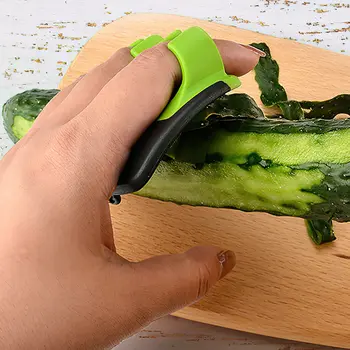
Ergonomic Handles
Tools with well‑designed grips reduce strain and improve control—especially helpful when prepping large batches.
Multi‑Functional Tools
One good chef’s knife or a quality grater can replace multiple single‑purpose gadgets. Simplify without sacrificing capability.
5. Common Mistakes Home Cooks Make (and How to Avoid Them)
Even experienced cooks fall into habits that slow them down or lead to frustration.
Mistake: Using the Wrong Board
Hard boards can dull knives faster; flimsy boards can slip.
Solution: Match board choice to the task and maintain surface condition.
Mistake: Ignoring Knife Care
Knives left dull or unsharpened make slicing difficult.
Solution: Master quick sharpening with a honing rod or schedule regular professional sharpening.
Mistake: Overbuying Gadgets
Single‑use tools add clutter and are often underused.
Solution: Choose multi‑purpose tools and build your collection gradually.
High‑quality cutting boards and prep tools are true kitchen essentials—they make cooking safer, faster, and more enjoyable. By choosing the right materials, organizing your workspace, and adopting professional‑inspired habits, you’ll elevate both your meals and your confidence in the kitchen.
We hope this guide helped you think more strategically about your tools. Ready to take your kitchen to the next level? Share this post with fellow food lovers or join our newsletter for more kitchen tips, product guides, and recipe inspiration!

0 Comments